
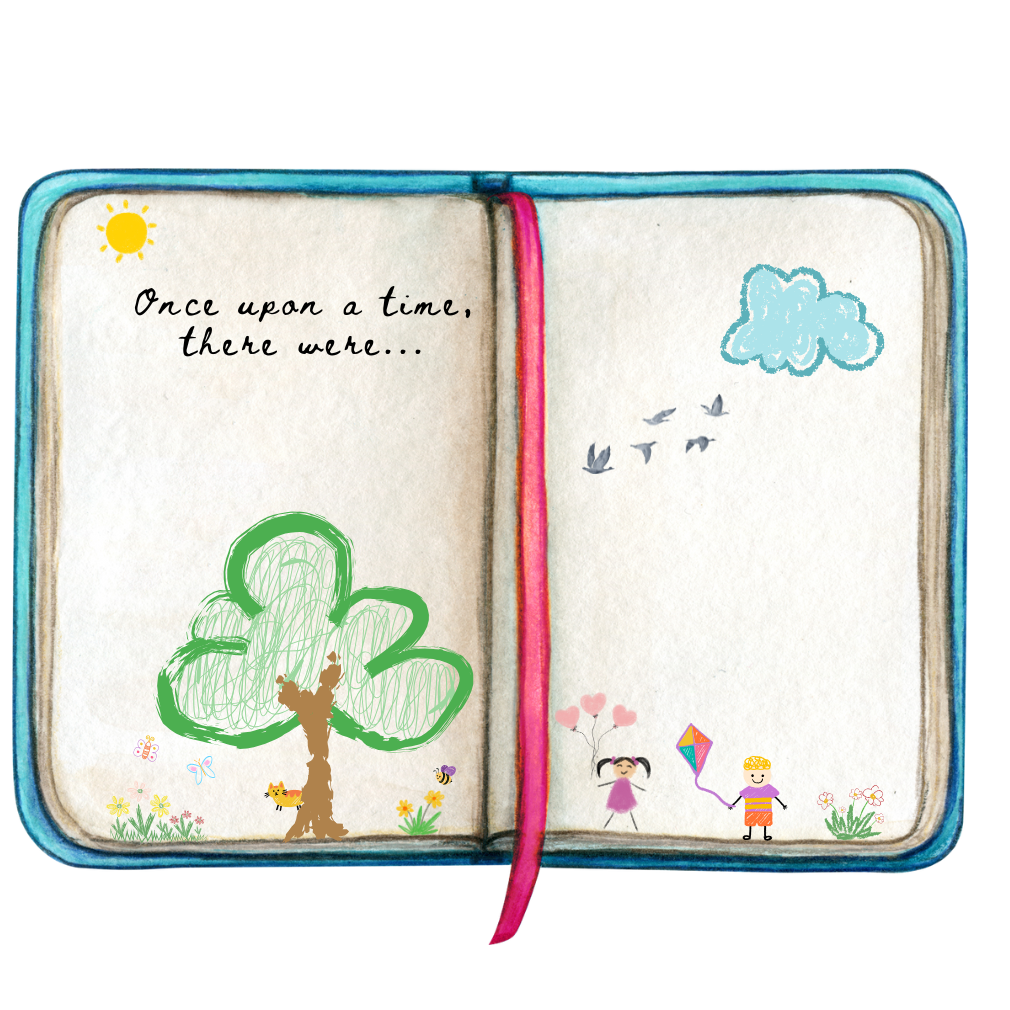
Once Upon a Time, There Were Trees
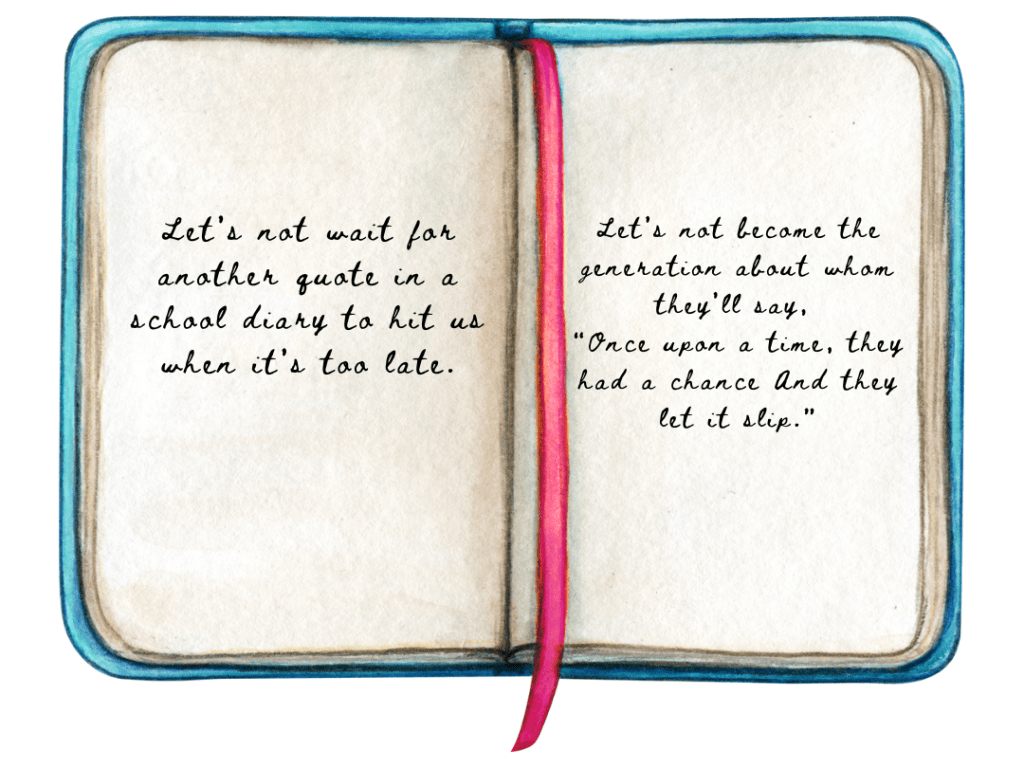
When I was in school, there was this diary. You know the kind with quotes printed at the bottom of each page, and little sketches in between. One of them stayed.
It said: “It’s on us to make sure our bedtime stories don’t begin with: once upon a time, there were trees and birds.”
Back then, we didn’t think too much of it. We still saw trees. We still heard birds. We grew up in cities, but we played in the dirt, climbed a few trees, rode our bicycles through streets that didn’t smell like exhaust. We didn’t see the urgency.
But now, we actually do.
Because now, those quotes don’t feel like distant hypotheticals. They feel like headlines.
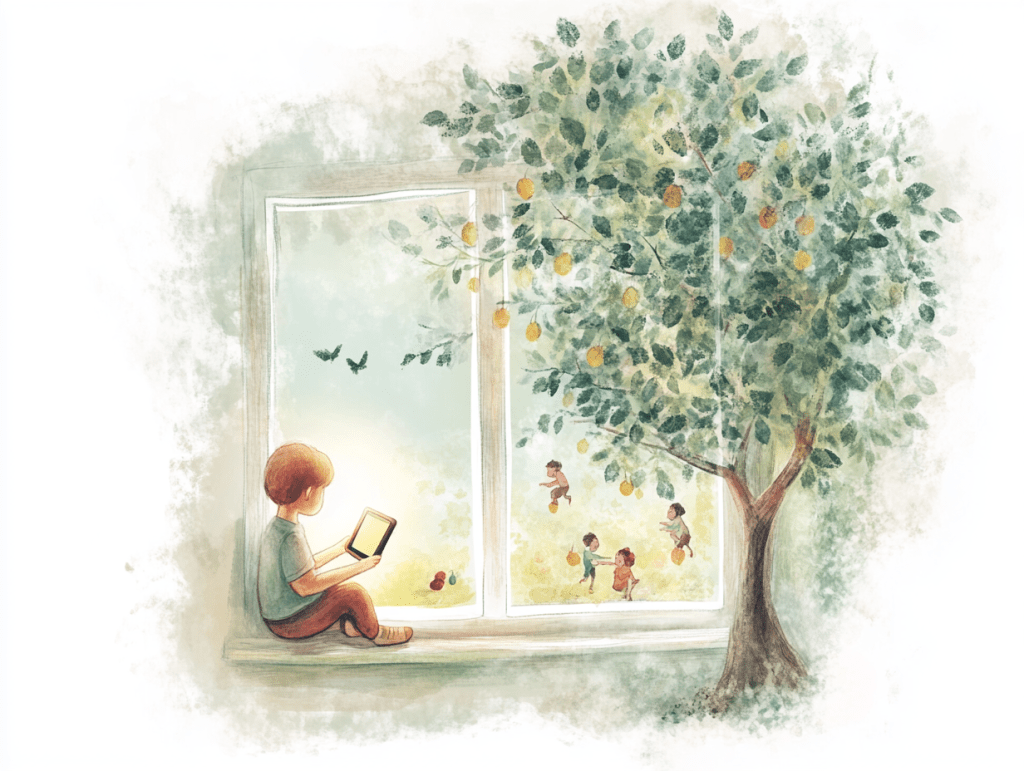
When was the last time kids really played in the dirt?
Not the kind that comes with a planned beach vacation or a curated “nature day” at school. But in their usual lives.
There’s a generation growing up with more screen time than green time. Without knowing how the earth feels.
Most know how to swipe before they can walk.
Some’ve never climbed a tree, built a mud house, or eaten fruit straight from a branch.
Our mothers used to call us in from outside.
Now we watch kids from the outside, glued to screens inside.
The land is losing more than trees.
It’s losing people who remember how to live with it.
Remember when ads said “Daag acche hain”? Because playing outside was normal. Now, ads sell us packaged health and sanitized childhoods. Somewhere between convenience and caution, we’ve cleaned out the very things that kept us grounded.
The Greenwashed Guilt
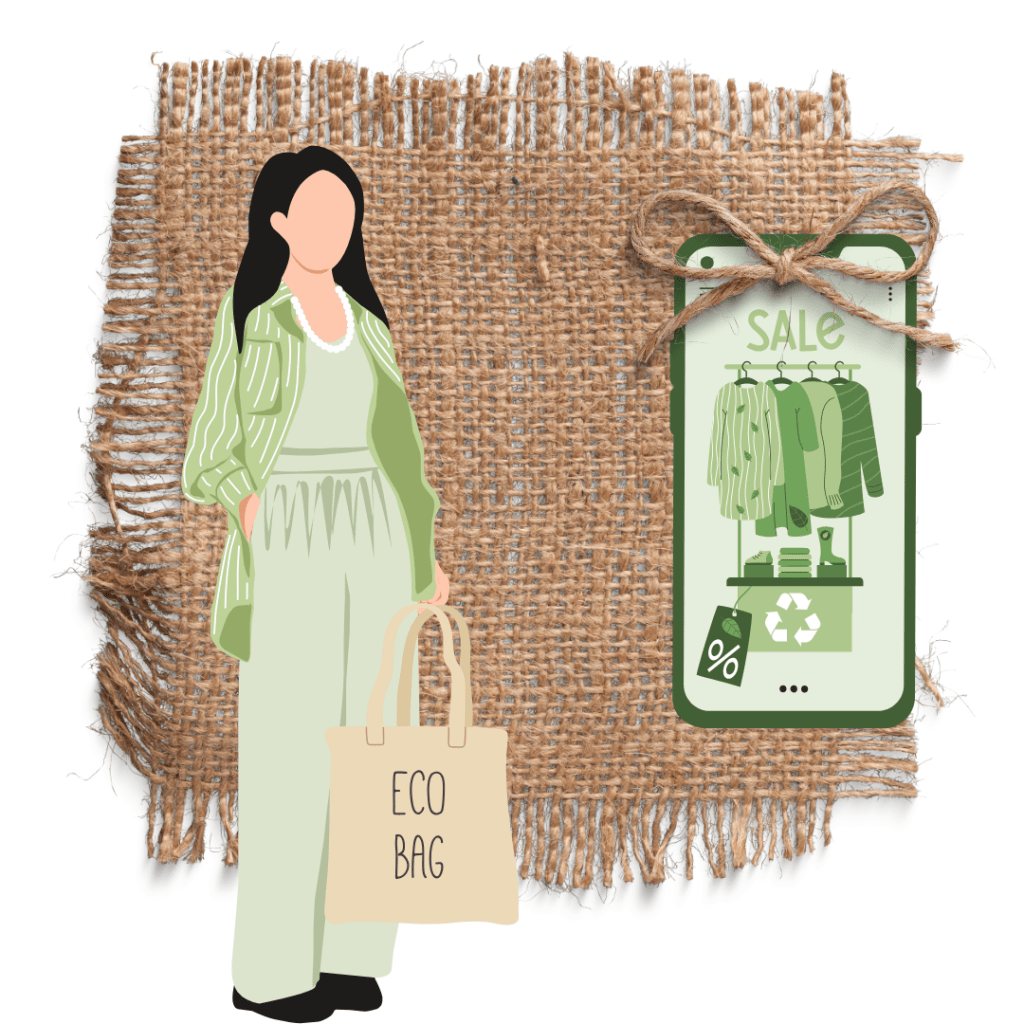
We’ve started liking the colors brown and green again. Not in soil or trees, but in “eco” packaging.
We buy into the aesthetic; kraft paper, jute bags, glass jars because we want to feel like we’re doing the right thing.
But then we unwrap our brown-labelled products and throw the plastic underneath straight into the bin.
Brands slap “eco-friendly” on packaging and call it a day.
Fast fashion does Earth Day campaigns.
Airlines plant a few trees and keep running flights every 8 minutes.
They sell us the story we want to believe, and we play along like we’re woke.
Old Ways, New Hype
I remember when banana leaves were just… normal.
Food wrapped in them, served on them, eco-friendly without ever needing a label.
Clay cups for tea, cloth bags for shopping, even leftover newspaper turned into cone packets.
It wasn’t innovation. It was just how things were.
Simple. Seamless. Sensible. But somewhere along the way, we traded that ease for cheap convenience.
Now? We pay a premium to re-experience the very things we once took for granted. A “farm-to-table” dinner. A rustic village stay. A leaf-wrapped meal. We call it conscious living. Back then, it was just… living.
And then…we’re watching the West repackage these same old ways and pitch them on Shark Tank as ‘sustainable breakthroughs’.
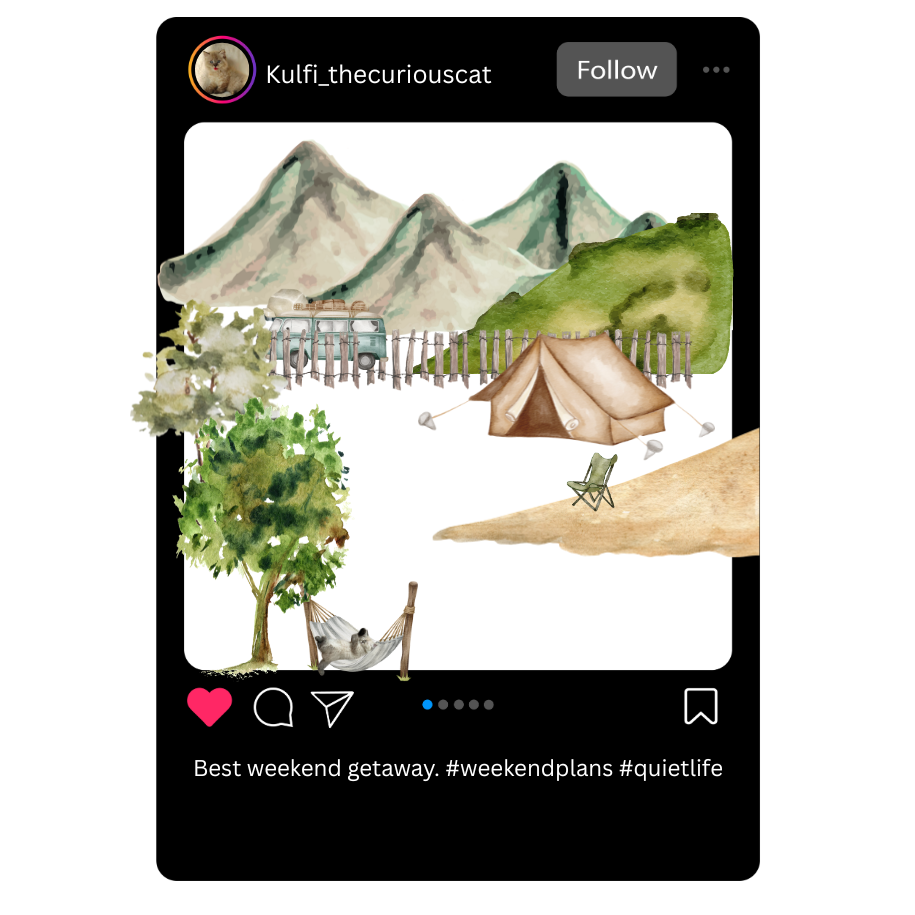
Nature is a Weekend Plan
We book vacations to touch grass.
We hike once a year and call ourselves outdoor people.
We’ve put nature into the same category as spa days and retreats.
We romanticize green cafes and “quiet getaways.”
We’re treating sunsets like content and not connection.
A luxury, not a right. A break, not a way of life.
We used to live in nature.
Now we schedule it.
The Convenience Trap
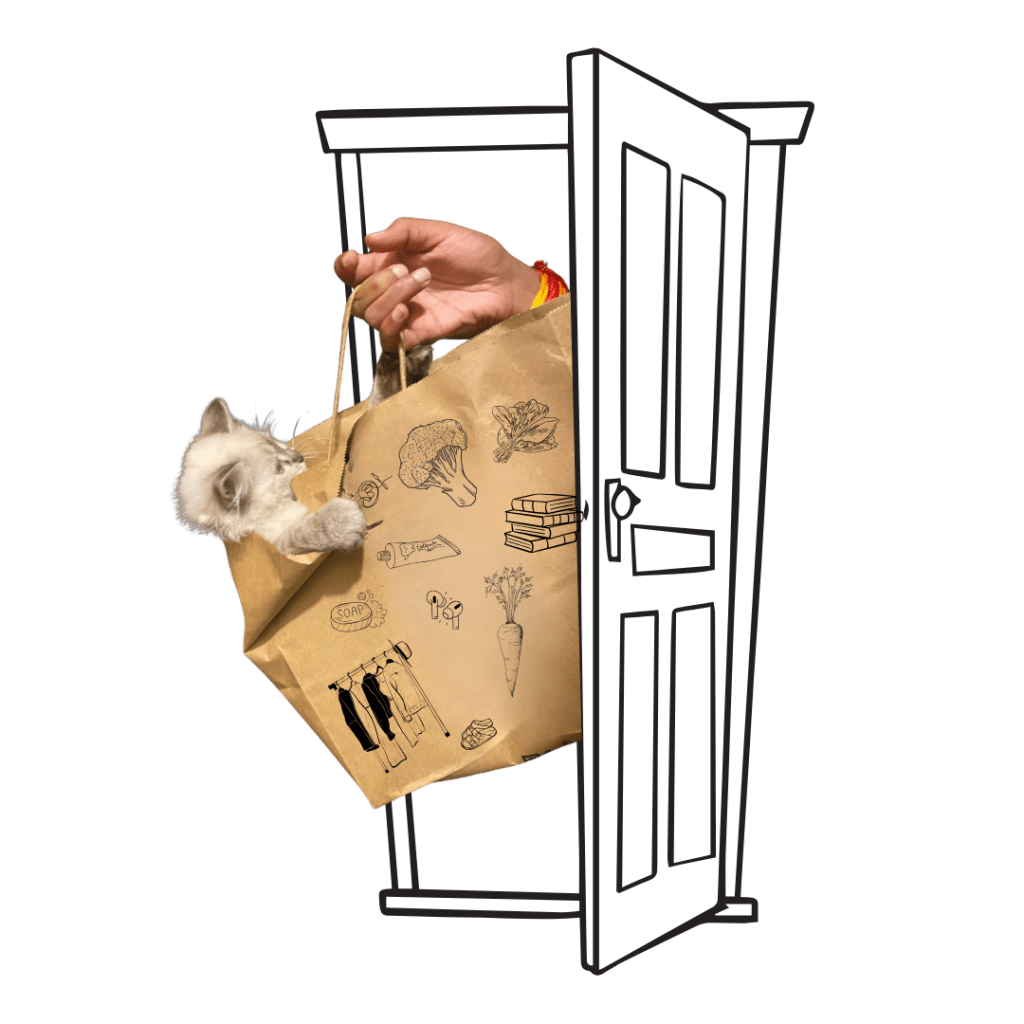
Everything’s a click away. One-tap groceries. Same-day deliveries.
Plastic wrapping for bananas.
Disposable everything for a planet that isn’t.
Convenience has become our love language.
And the Earth is the one picking up after us.
It’s the little conveniences we choose every day that are now the mess we can’t escape.
Chasing Big Paychecks, Losing Clean Air
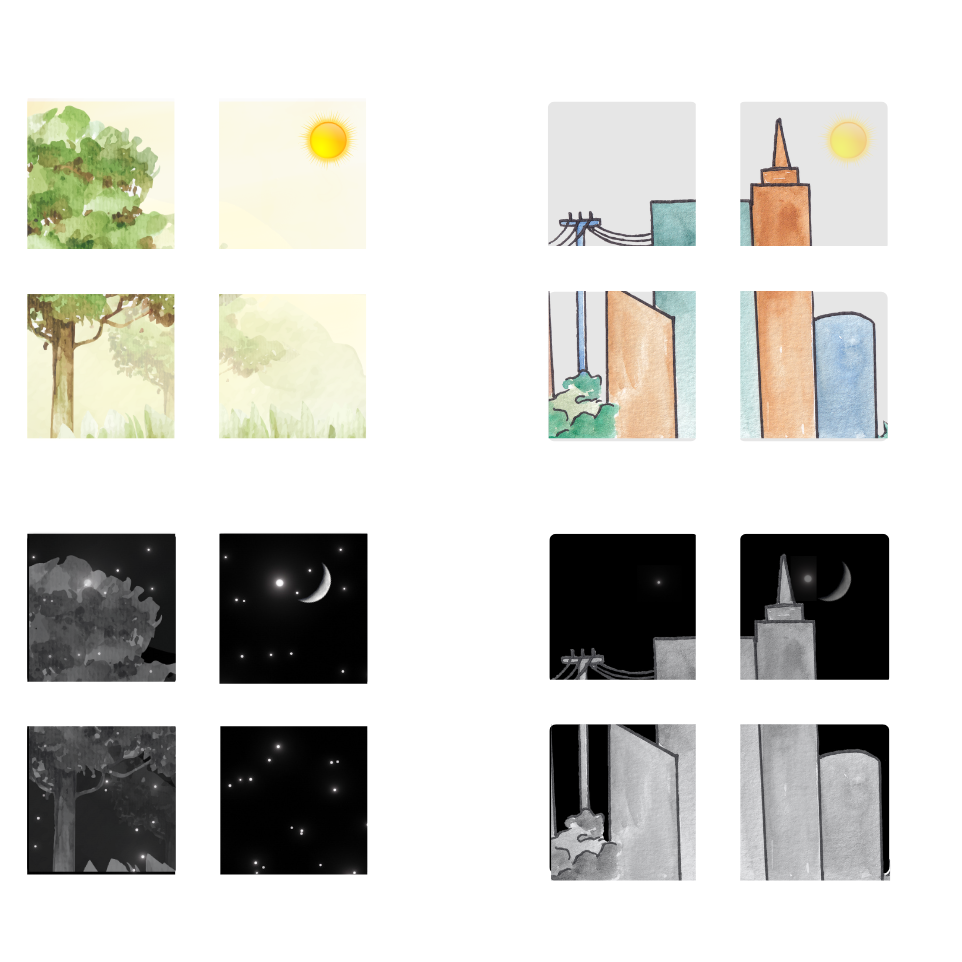
We chase dream jobs in cities we can’t breathe in.
Pay EMIs on flats with views of concrete and smog.
We celebrate green roofs, but build skyscrapers that block the sun.
A bigger paycheck in a city that never lets us see the stars.
And when we finally want a break, we drive out to nature… that we’re slowly killing.
But when we visit a small town or a village, the air smells like trees, not traffic. We taste food that was plucked from the soil, not wrapped in plastic.
Digital Lives, Real Mess
Online, everything looks clean and beautiful.
White walls. Minimal design. Filtered green smoothies.
But our physical footprint is huge.
The landfill doesn’t care about our curated aesthetic.
We’ve optimized the screen life.
And neglected the real one.
Screens Don’t Smell Like Rain.
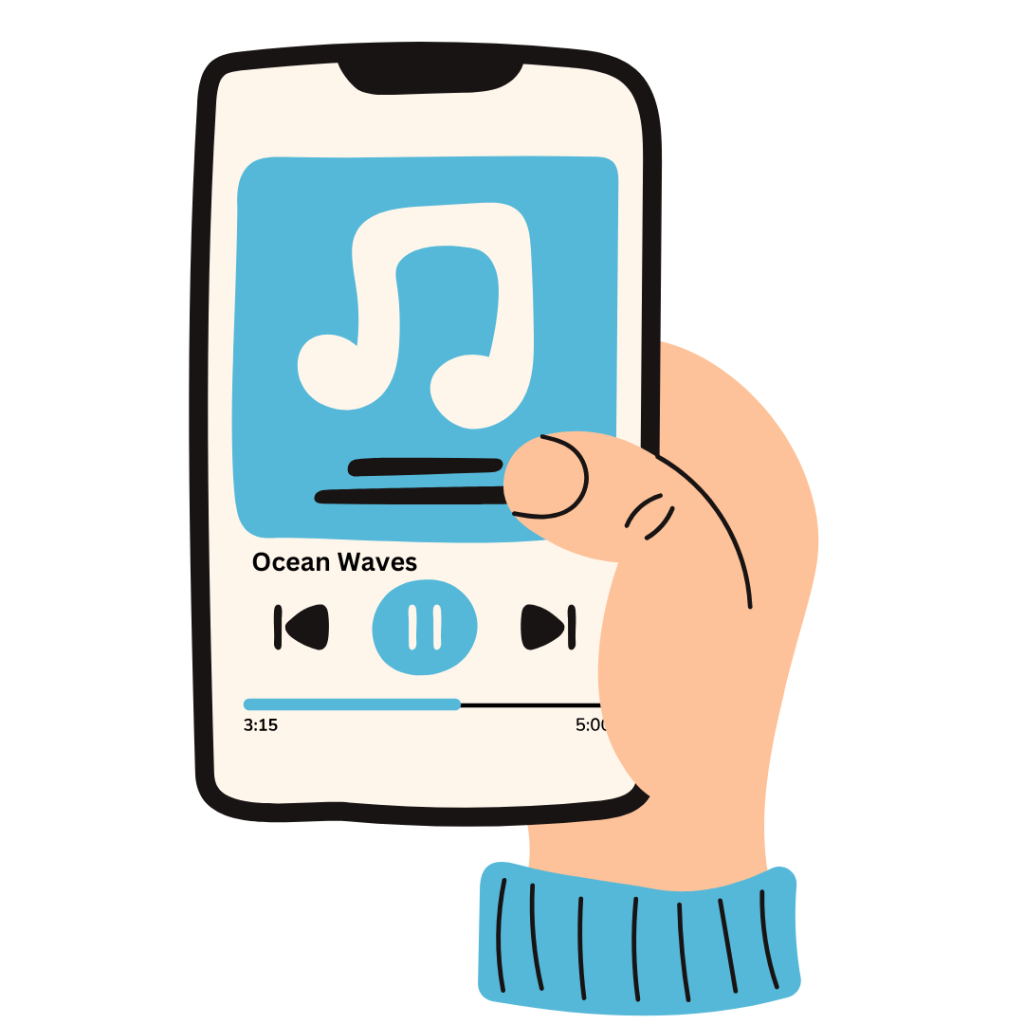
We’ve got high-res sunsets on our phones. Ocean waves on Spotify.
But we can’t smell wet mud in a Reel. Can’t hear a bird when our AirPods are in.
Nature isn’t content. It’s connection. And maybe it’s time we went back offline to remember that.
The Clean Lie
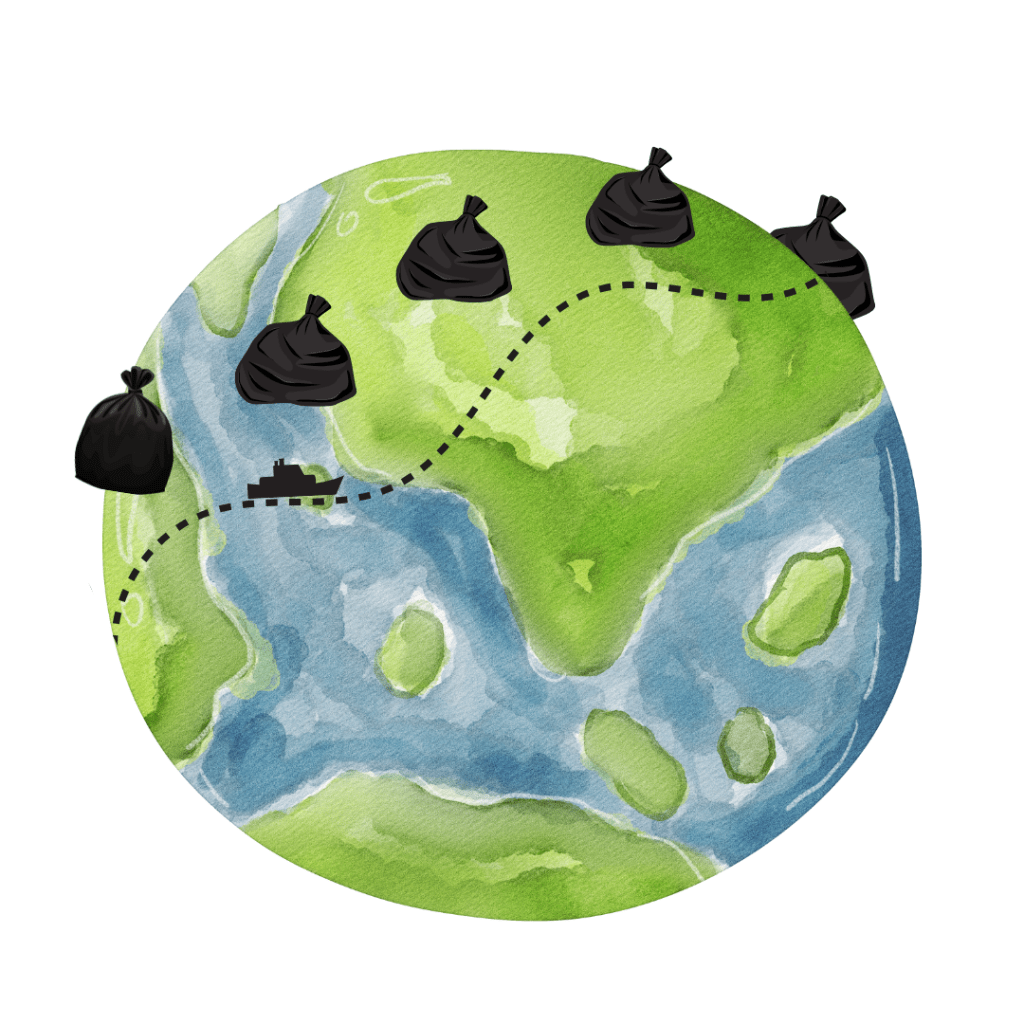
We love to praise the sparkling streets, the clean air, the countries that “do it right.” But behind the scenes? The mess hasn’t disappeared, it’s just been shipped off.
Out of sight, out of guilt.
Mountains of waste quietly pile up in places with fewer headlines. Landfills bloom where the cameras don’t go. And somewhere along the way, we convinced ourselves that if the trash isn’t in our backyard, it’s not our problem.
We’re not cleaning up. We’re just sweeping it under someone else’s rug. It’s the same how we keep our homes clean, and toss the trash outside.
Where Does “Away” Go?
This Earth Day, there are a thousand things we could talk about. Climate change. Water scarcity. Fossil fuels.
But maybe we start with something simpler. Something real. Something visible.
Trash.
The kind we create every day.
The kind that piles up.
The kind that isn’t just physical, but also mental.
We separate our trash, but the real problem might be that we consume too much. We throw things “away” like “away” is a magical place where things disappear.
Not My Job, Right?
Governments? Corporates? Influencers? Us?
We blame the system.
But we’re the ones clicking “Buy Now.”
We’re the ones dumping, consuming, ignoring.
So What Do We Do?
We don’t need perfect answers.
But we do need to stop pretending it’s not our problem.
We need to ask: what kind of world are we really building? And who gets left with the cleanup?
We need to redefine success; not as more, but as enough.
Because this isn’t just about saving Earth.
This is about remembering that we are Earth. And when we trash it, we trash ourselves.
 curiosity didn't kill the cat